This site uses cookies to provide services and traffic analysis.
There you can customize which cookies you allow us to use. You can change your consent at any time.


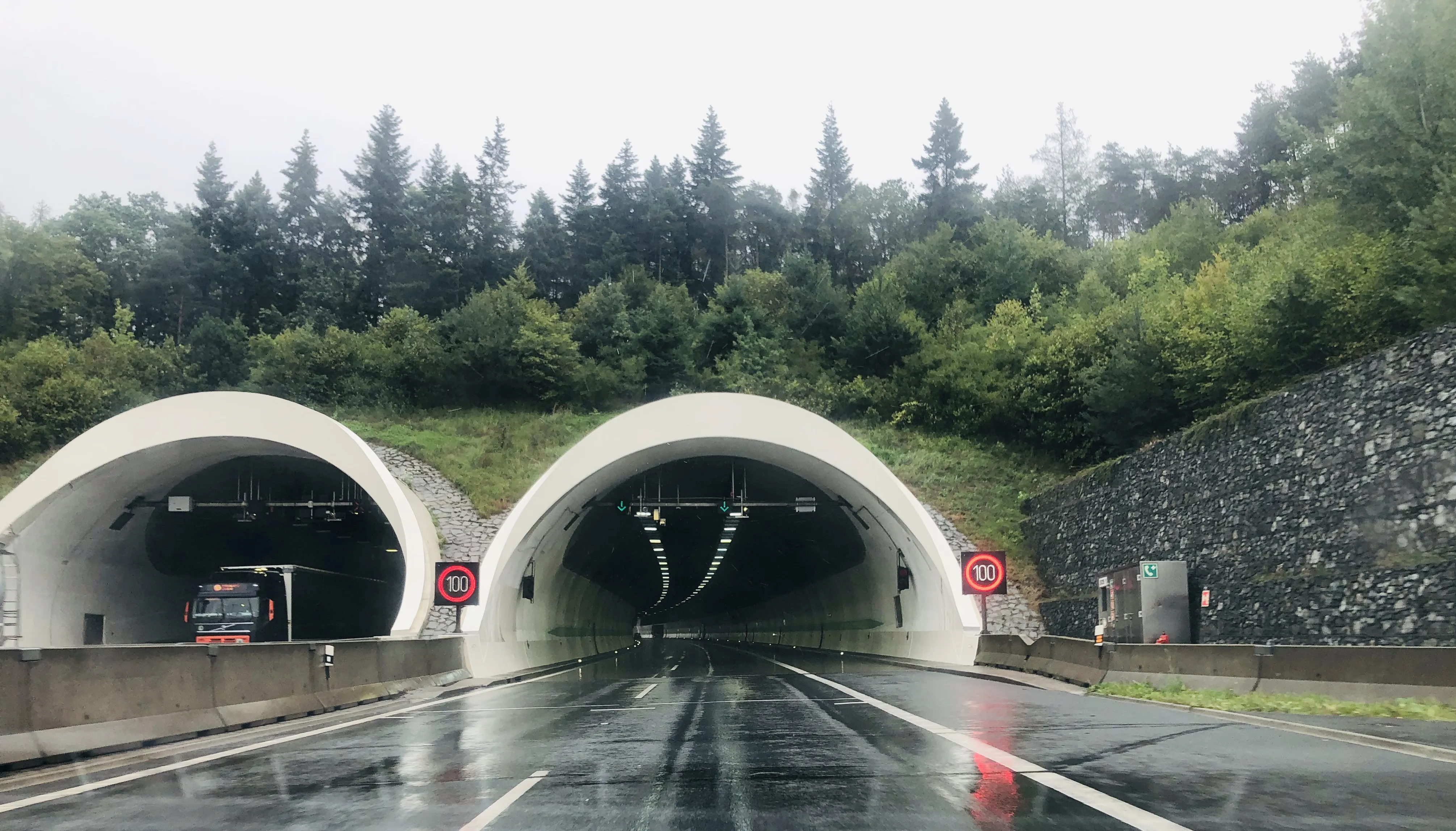
Traffic telematics connects transport infrastructure with information systems and telecommunication technologies. Its main goal is to increase transport efficiency, improve transport performance, and enhance the safety of all road users.
In this industry, SPEL, a.s. is a market leader, providing complete solutions for traffic telematics elements on both highways and urban infrastructure.
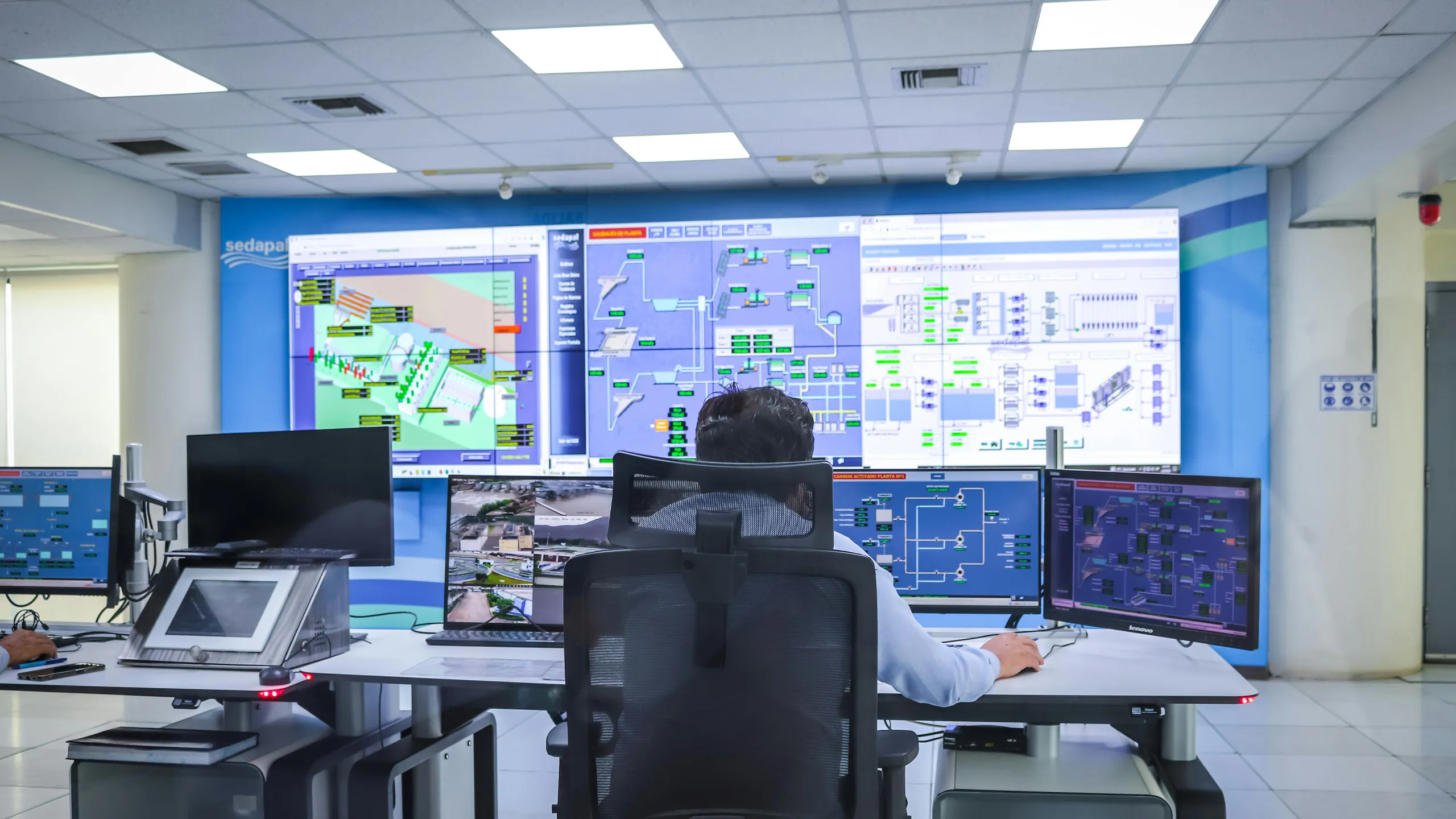
It is a unified management system for end-point telematics elements located on highways, tunnel complexes, highway rest areas, and similar locations.
The system is typically operated in server centers located in Road Maintenance and Control Centers (SSÚD). Communication between individual elements takes place in real time, enabling immediate diagnostics and remote resolution of failures on the highway network.
The system offers a high level of cybersecurity, the possibility of remote monitoring and servicing in the event of failures, and represents a unique technological solution within the European Union.
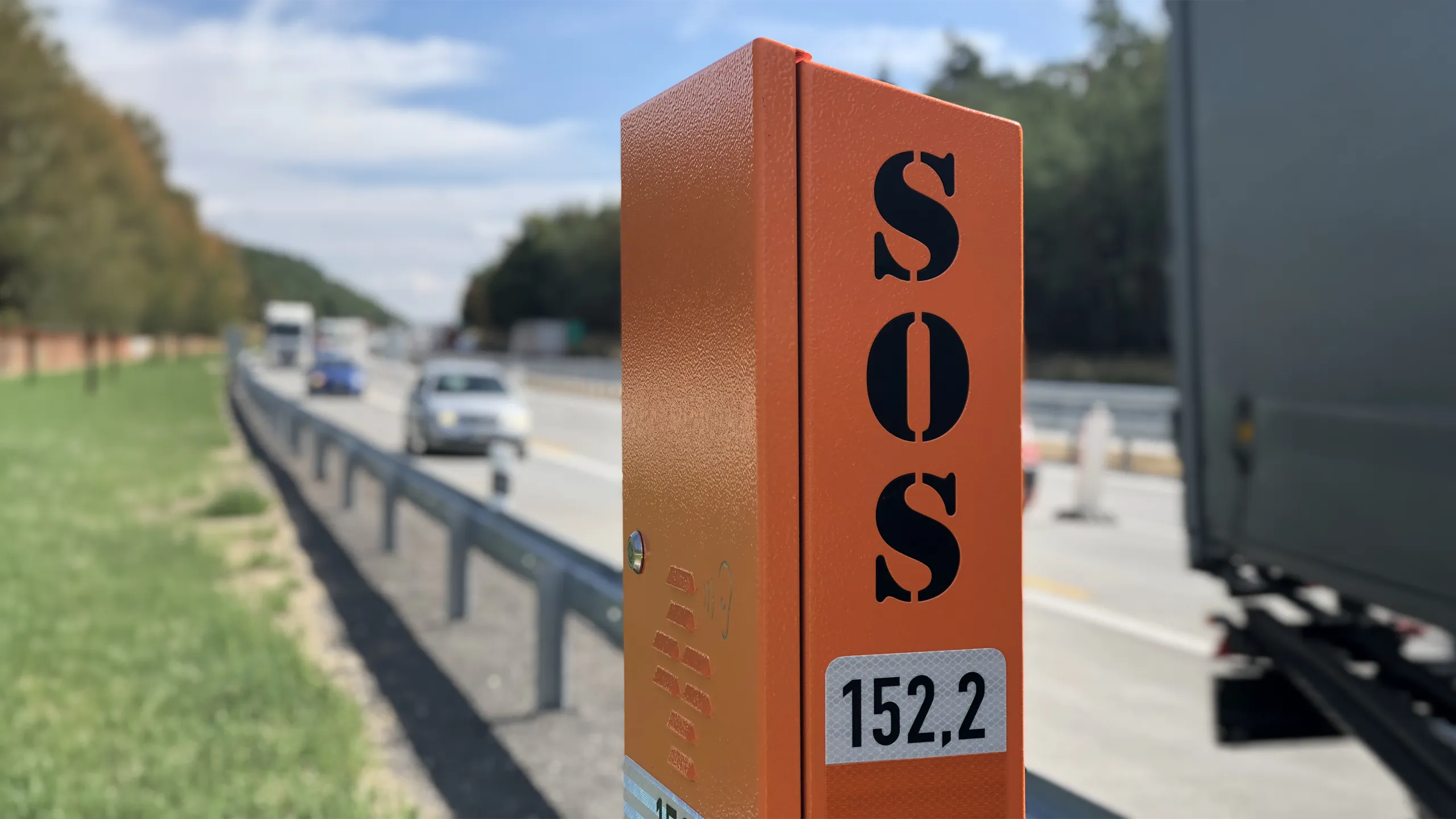
It is a data concentrator providing loudspeaker communication with the possibility of multilingual interaction through a graphical display and three illuminated vandal-resistant buttons, which are used not only to call for assistance but also to navigate the display menu. At the same time, the SOS call station provides connection interfaces for external technologies such as traffic counters, meteorological stations, camera systems, and others.
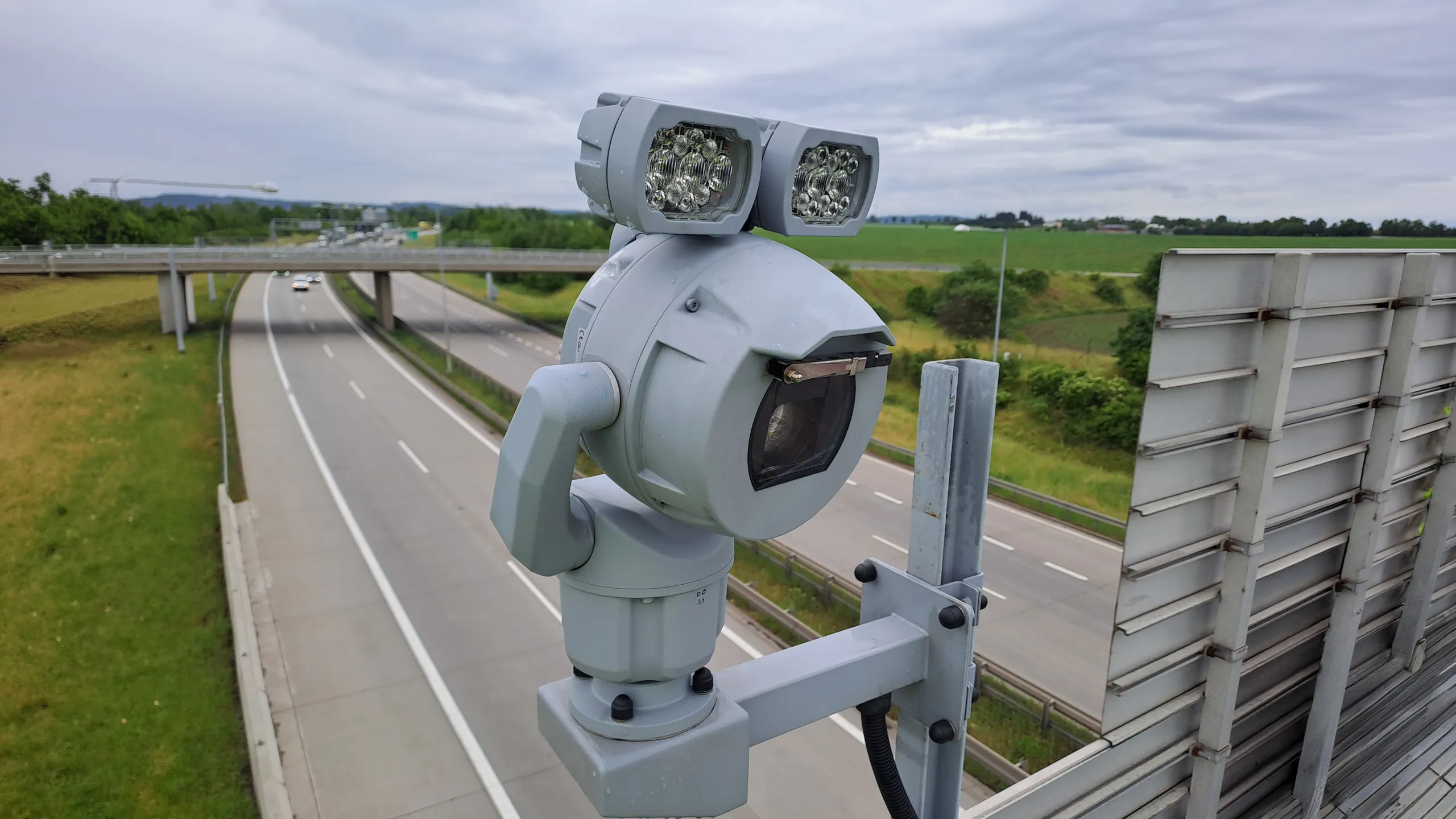
Camera systems are used for road management and maintenance, traffic intensity monitoring, and remote traffic supervision. They also enable monitoring of meteorological conditions, road surface conditions, and current road passability. Thanks to continuous monitoring of traffic situations and infrastructure, they support rapid situation assessment, increase traffic safety, and enable more efficient road maintenance planning.
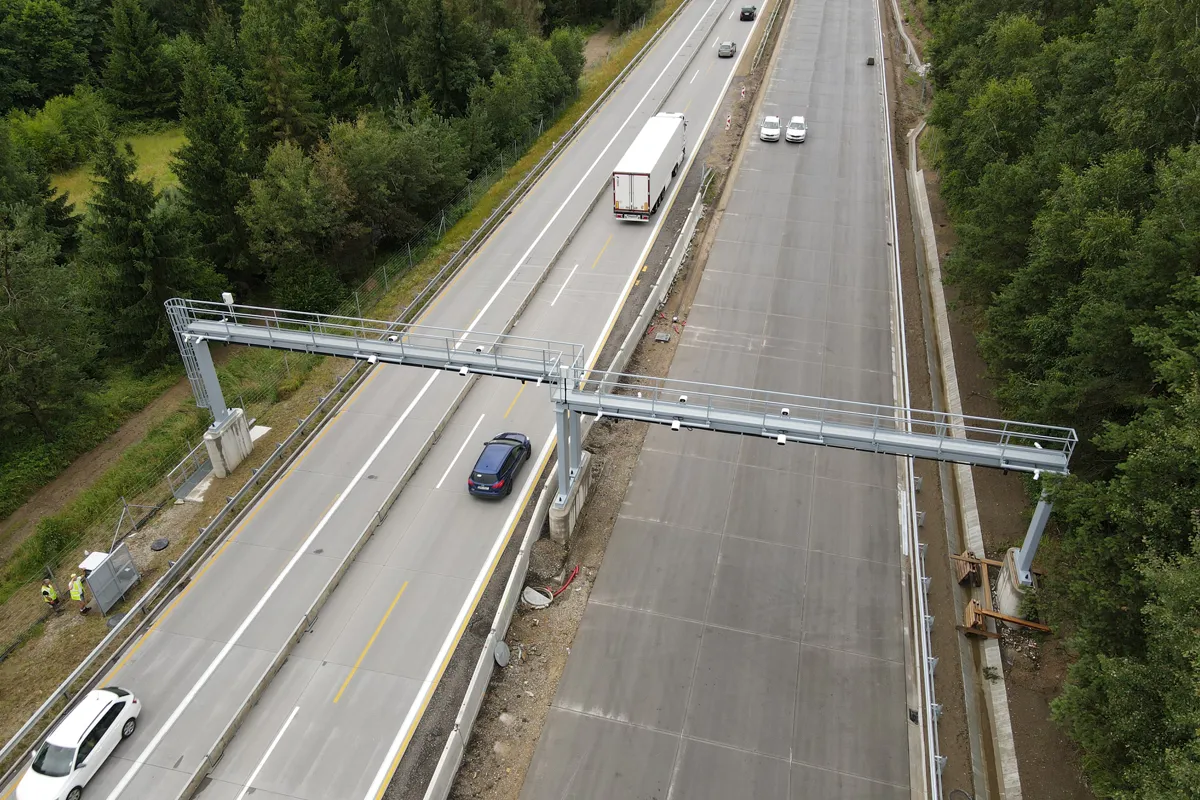
The weigh-in-motion vehicle weighing system enables the measurement of the weight of passing vehicles without the need to stop, both at low and high speeds.
It records the weight on individual wheels, axles, as well as the total vehicle weight. The data is paired with records from camera systems, and in the event of overloading, a weighing ticket is automatically generated and sent to the relevant authority.
The SPELWIM dynamic weighing system enables the user/operator to classify measured vehicles traveling in at least one traffic lane into predefined categories. It detects their weight, number of axles, license plates (LP), and captures image data of the vehicle passing through the measuring location. The SPELWIM system locally archives and securely distributes this data. In accordance with applicable personal data protection legislation (GDPR), the system also automatically separates the data into anonymized data and data containing personal information.
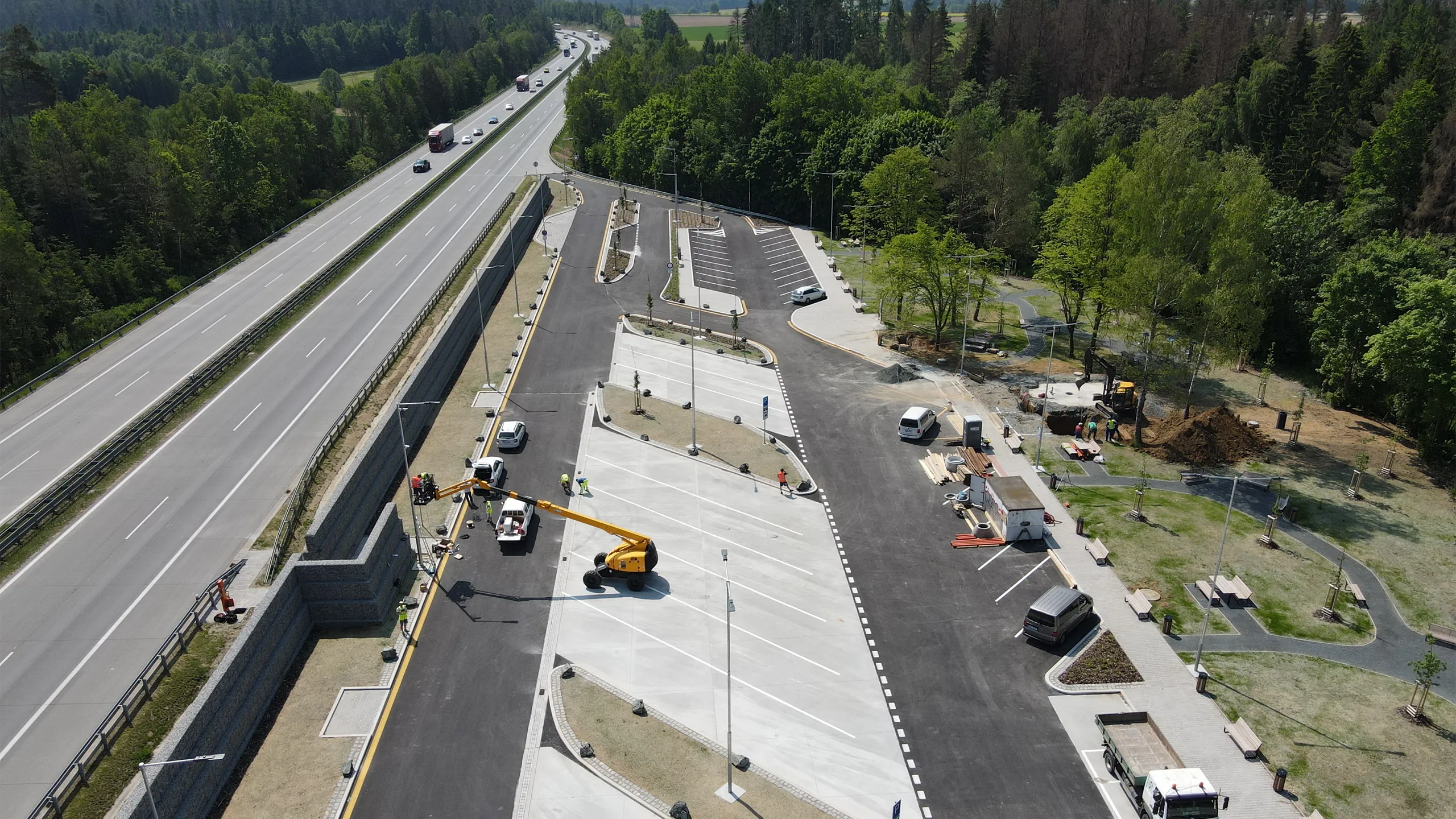
On motorway rest areas, a parking space detection system for trucks is installed. Detection is provided through telematics components such as in-road parking sensors, CCTV surveillance, variable message signs, and automatic traffic counters. Together, these devices form a functional intelligent rest area system.
The system is designed to monitor the occupancy of individual parking spaces. All devices communicate through a central control unit, which collects and processes data from all telematics elements.
This data is then displayed in the traffic information system operated by ŘSD (Road and Motorway Directorate), including the number of available parking spaces, overall occupancy of the rest area, and live camera feeds. Drivers are informed about available parking spaces via variable message signage.
A traffic counter is a device that counts and often also analyzes vehicles on the road. It is mainly used in traffic engineering, road planning, traffic management, and also in the design of traffic lights and intersections.
Weather stations provide up-to-date information about weather conditions as well as road surface conditions on monitored sections.
They enable rapid identification of hazardous situations, optimization of winter maintenance, and timely warning of road users about dangerous conditions.
Technological control centers include computer equipment, software configurations, video walls, substations, switchboards, communication cabling, and dispatcher telephone systems.
The solution also includes the creation of visualizations for traffic management, buildings, and telematics devices.
Section speed measurement is used to increase traffic safety and flow efficiency. It measures the average speed of vehicles over a defined road section.
The system helps stabilize traffic flow, reduce noise, and prevent the formation of random traffic jams.

This site uses cookies to provide services and traffic analysis.
There you can customize which cookies you allow us to use. You can change your consent at any time.